
Once you have done all the planning, it’s time to get started on preparing your plot. What you need to do will depend on the growing space you have.
Allotment plots
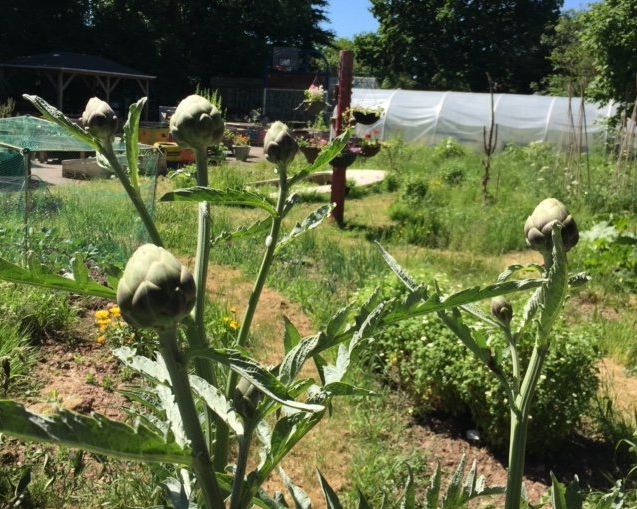
If you have a new allotment plot you might have quite a bit of work to do before you can get started with growing fruit and veg. If you have taken the plot on straight after someone else has had it, you could have a bit of a head start – if you’re lucky you will inherit well-fed soil and an organised space.
You might however have a bit job to redesign the space to suit you and there will be a few things to decide – do you want raised beds? Is the space between beds wide enough to be used easily – do you need to put down paving or a mulch of something like bark chips to make it more usable? Do you need to get rid of a lot of weeds before you can plant anything?
Start small
If there is a lot of work to be done, try and focus on a small area at first, otherwise you could spend all your time clearing and tidying, which can be overwhelming and disheartening. Starting small is a great way to try growing your own if you haven’t done it before. Some allotments offer half size plots – if you want to have a go but are daunted by a full-sized plot, it’s worth asking at your allotment to see if they can offer this.
If you have a chance to talk to the old allotment owner, they might be able to give you some useful information like what has grown well and where they have grown things previously, so you can practice crop rotation. If they aren’t available, then talk to your allotment neighbours. They might be able to tell you what was where on your plot, but even if they can’t they’ll still be able to offer advice and might even be interested in swapping seeds and veg plants with you once you get going.
Garden veg patches
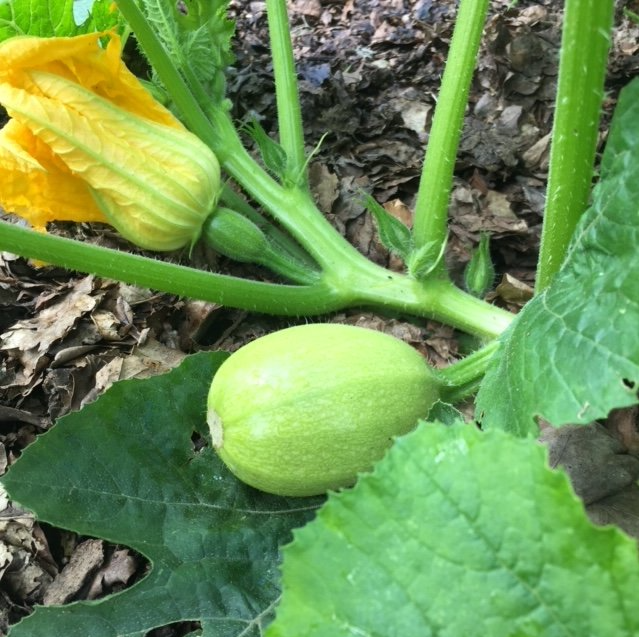
If you are starting a veg patch in your garden rather than on an allotment, you will still need to consider the factors above. What grows well in your garden already? What has been growing there? If you’ve just had ornamental plants before, you won’t need to worry about crop rotation. If you’re giving up some lawn space for veg, you will need to keep on top of the weeding as grass can be difficult to get rid of. For an easy way to get rid of grass, have a look at the section on the no dig method below.
Whether you have an allotment or a veg patch in your garden, preparation is pretty much the same. You will need to weed your plot – you can do this by hand, digging out perennial weeds like dandelions, and hoeing off and digging in annual weeds. You can the difference between annual and perennial weeds by the roots – annuals have smaller roots and are easy to weed out, while perennials usually have large, deep roots that will need to be dug out. Try to get all of the root out if possible but if you can’t, get rid of as much as you can and then make sure you chop off any regrowth at ground level as soon as you see it. This will weaken the plant and may even kill it eventually, although some weeds are very tenacious.

No dig method
Another way to weed is the no-dig method – cover the grass or soil and weeds with cardboard, then pile compost and topsoil on top and plant straight into it. But cutting out all of the light to the weeds, they should die back. Eventually the cardboard will rot down completely, so you won’t need to remove it. You will still need to weed out annual weeds though, as these will always be coming into your garden on the wind, animals and even on you.
Vegetables are hungry plants so they need as much nutrition as you can provide, so adding some organic material to your compost is worth doing at this stage. This can be compost you have made at home, green waste bought from the council, or well-rotted farmyard manure. You can get this from garden centres and online.

Once your plot is weed free and you’ve added the organic material you will need to rake and level your soil. Remove any large stones and make sure it is as level as possible. Now you’re ready to start planting!


